 EN
EN FR
FR
BEHAVIORAL WELFARE IN RUMINANT PRODUCTION
July 10, 2026
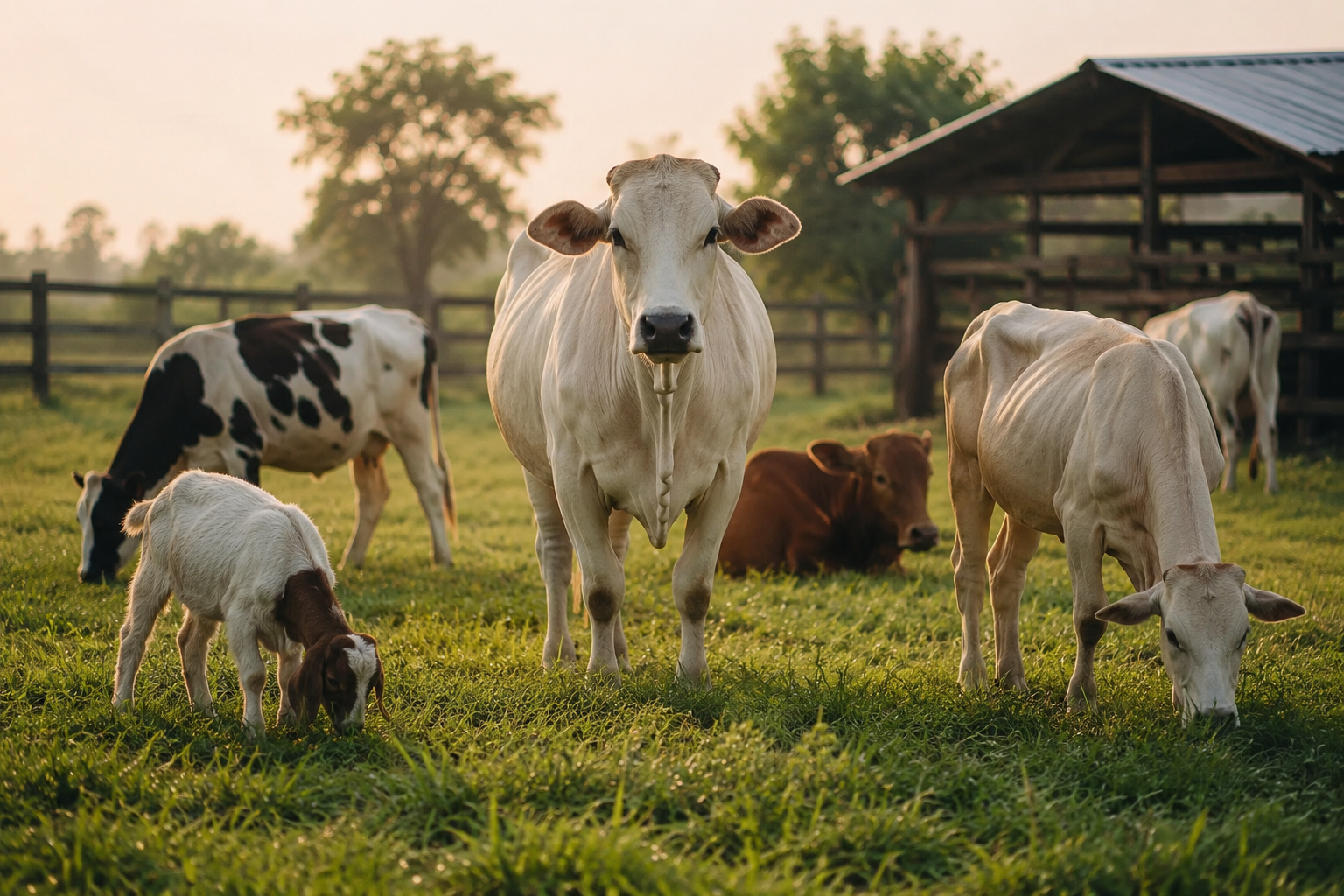
Healthy cattle, sheep, and goats need more than quality feed, clean water, and proper housing—they also need an environment that allows them to express their natural behaviors. Behavioral welfare focuses on ensuring that ruminants can graze, rest comfortably, socialize, and move freely without unnecessary stress or fear. Animals raised under good welfare conditions are healthier, more productive, and less likely to suffer from disease or injury. Healthy behavior reflects healthy animals.
Stress caused by overcrowding, poor handling, or inadequate housing can reduce feed intake, slow growth, lower milk production, and weaken immunity. Farmers who observe animal behavior can quickly detect health problems and improve management practices before losses occur. Good welfare is therefore both an ethical responsibility and a smart farming strategy. Careful observation prevents bigger problems.
Promoting behavioral welfare strengthens productivity, improves animal well-being, and builds consumer trust in livestock farming. When animals thrive, farmers and communities benefit together. Better welfare creates better farming.