 EN
EN FR
FR
BOTULISM IN POULTRY: A SILENT KILLER EVERY FARMER MUST PREVENT
July 11, 2026
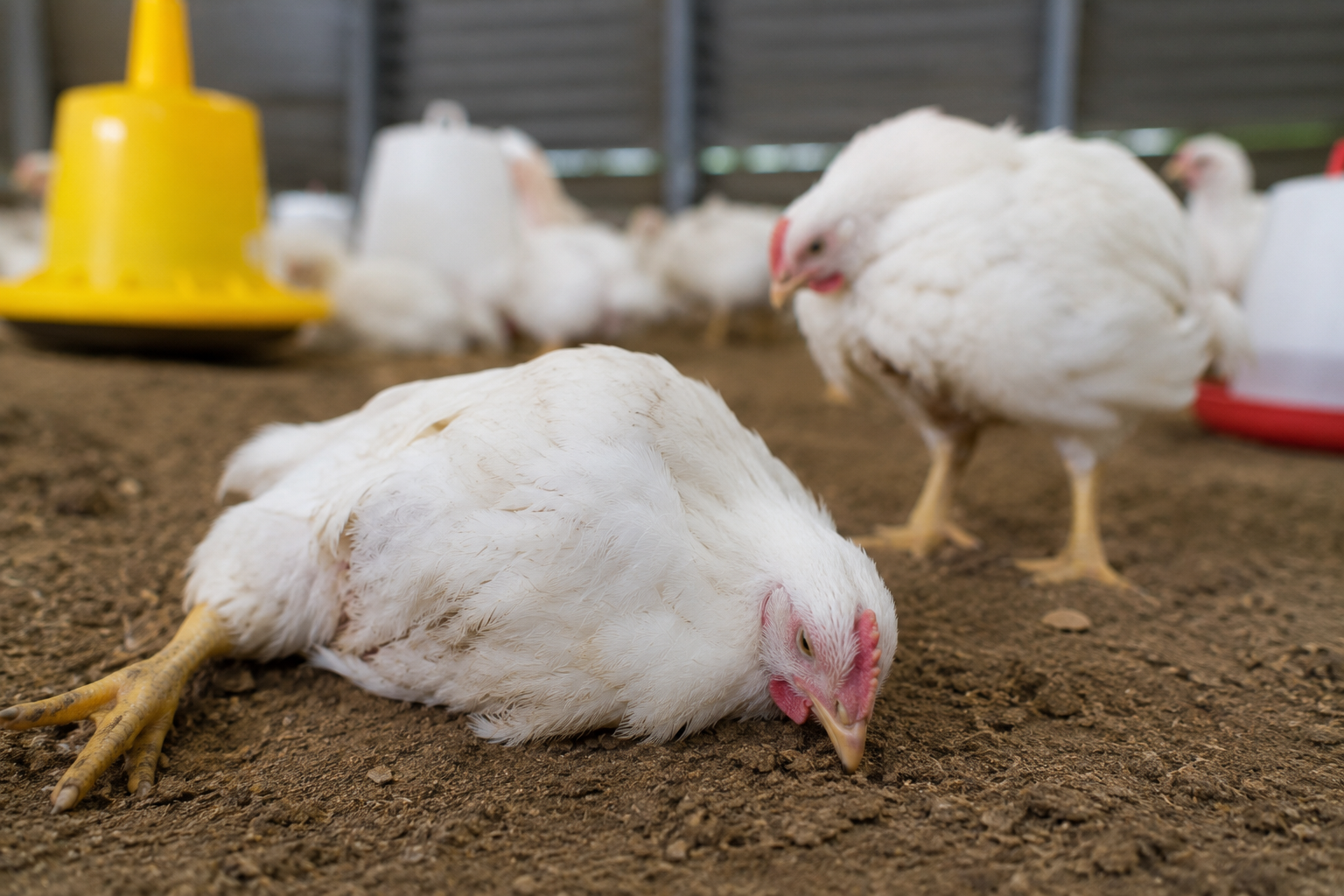
Botulism is a serious and often fatal disease that affects poultry when birds consume toxins produced by the bacterium Clostridium botulinum. These toxins are commonly found in decaying organic matter, spoiled feed, contaminated water, or carcasses left in poultry houses. Affected birds may show weakness, drooping wings, paralysis, difficulty walking, and an inability to hold up their heads. Clean surroundings save lives.
Preventing botulism begins with excellent farm hygiene. Removing dead birds promptly, providing fresh feed and clean water, disposing of waste properly, and preventing access to rotting materials greatly reduce the risk of infection. Farmers should also monitor birds daily and seek veterinary assistance immediately when unusual signs appear. Early action limits losses.
Botulism is easier to prevent than to treat. Strong biosecurity, proper sanitation, and careful flock management protect bird health, improve productivity, and reduce economic losses. Healthy poultry farms are built on cleanliness, vigilance, and consistent management. Prevention is the best protection.