 EN
EN FR
FR
UNDERSTANDING LONG-ACTING (L.A.) AND SHORT-ACTING (S.A.) MEDICATION IN ANIMALS
July 11, 2026
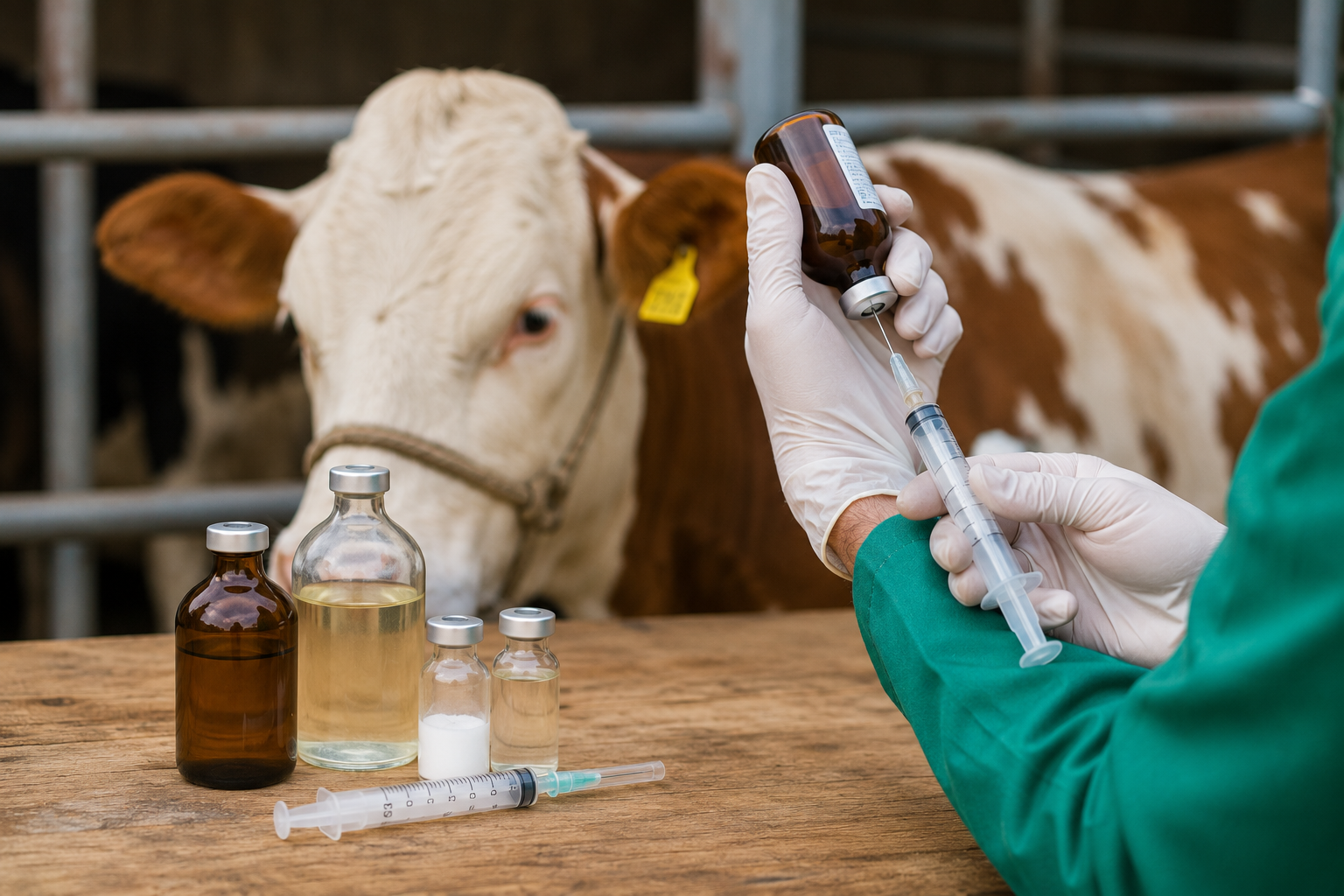
Using the right medication is essential for keeping livestock healthy and productive. Long-acting (L.A.) and short-acting (S.A.) medications are designed to work differently, and choosing the appropriate one depends on the animal's condition, the type of disease, and veterinary recommendations. Understanding these differences helps farmers avoid treatment failure, unnecessary costs, and the development of drug resistance. The right medicine makes all the difference.
Long-acting medications remain active in the animal's body for an extended period, reducing the need for frequent dosing. Short-acting medications work for a shorter time and may require repeated administration to maintain effective treatment. Following the correct dosage, observing withdrawal periods, and avoiding self-medication are essential for safe and successful disease control. Responsible treatment protects animals and consumers.
Healthy livestock depend on informed management decisions. Working closely with animal health professionals and using medications responsibly improves recovery, protects food safety, and supports sustainable livestock production. Treat wisely for healthier herds.