EN
 FR
ZERO GRAZING: SMART FEEDING FOR PROFITABLE RUMINANT FARMING
August 07, 2026
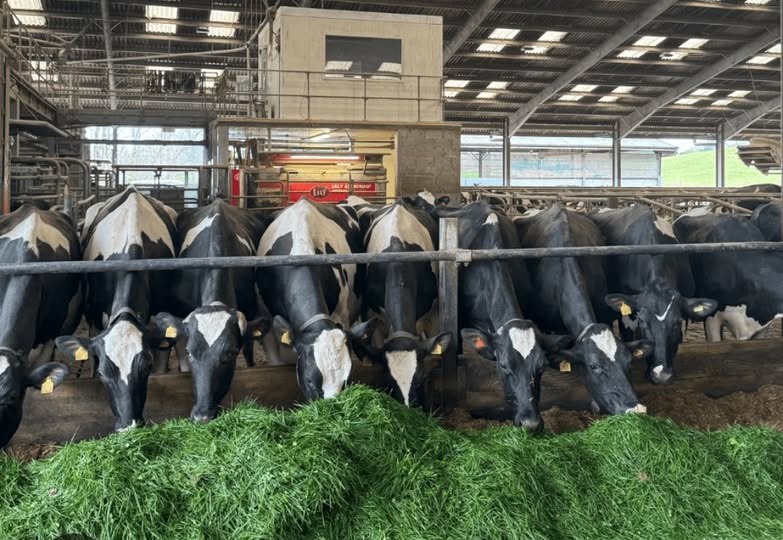
Zero grazing is not grass-free farming; it is a controlled feeding system where sheep, goats, or cattle receive harvested forage inside housing. Feeding improves management.
Also called cut-and-carry, zero grazing allows farmers to harvest grasses and deliver them directly to animals, making feeding more controlled while reducing grazing. Efficient feeding matters.
Benefits include pasture utilisation, reduced energy expenditure, easier manure collection, improved nutritional monitoring, and suitability for farmers operating where grazing land remains limited. Management creates value.
Zero grazing has challenges. Cutting and transporting forage requires labour, while housing, equipment, and maintenance demand investment. Dry-season shortages can threaten feeding. Planning prevents setbacks.
Suitable forages include Napier grass, Guatemala grass, Desmodium, lucerne, and silage. Farmers must maintain forage quality, water, hygiene, and exercise. Quality sustains performance.
Properly managed, zero grazing can improve productivity, nutrition, land efficiency, and manure utilisation. Success depends on supervision, forage supply, and animal management. Discipline delivers profitability.
Best regards,
Abdullah Opeyemi Akande
B.Agric. (FUNAAB)
GAS (NIAS)
M.Sc. Animal Sci. (UI)
RAS (NIAS)
M.Sc. Int’l Business (UU, UK)
Ph.D. in view