 EN
EN FR
FR
THE HIDDEN BURDEN OF HEAT STRESS IN RUMINANT PRODUCTION
July 10, 2026
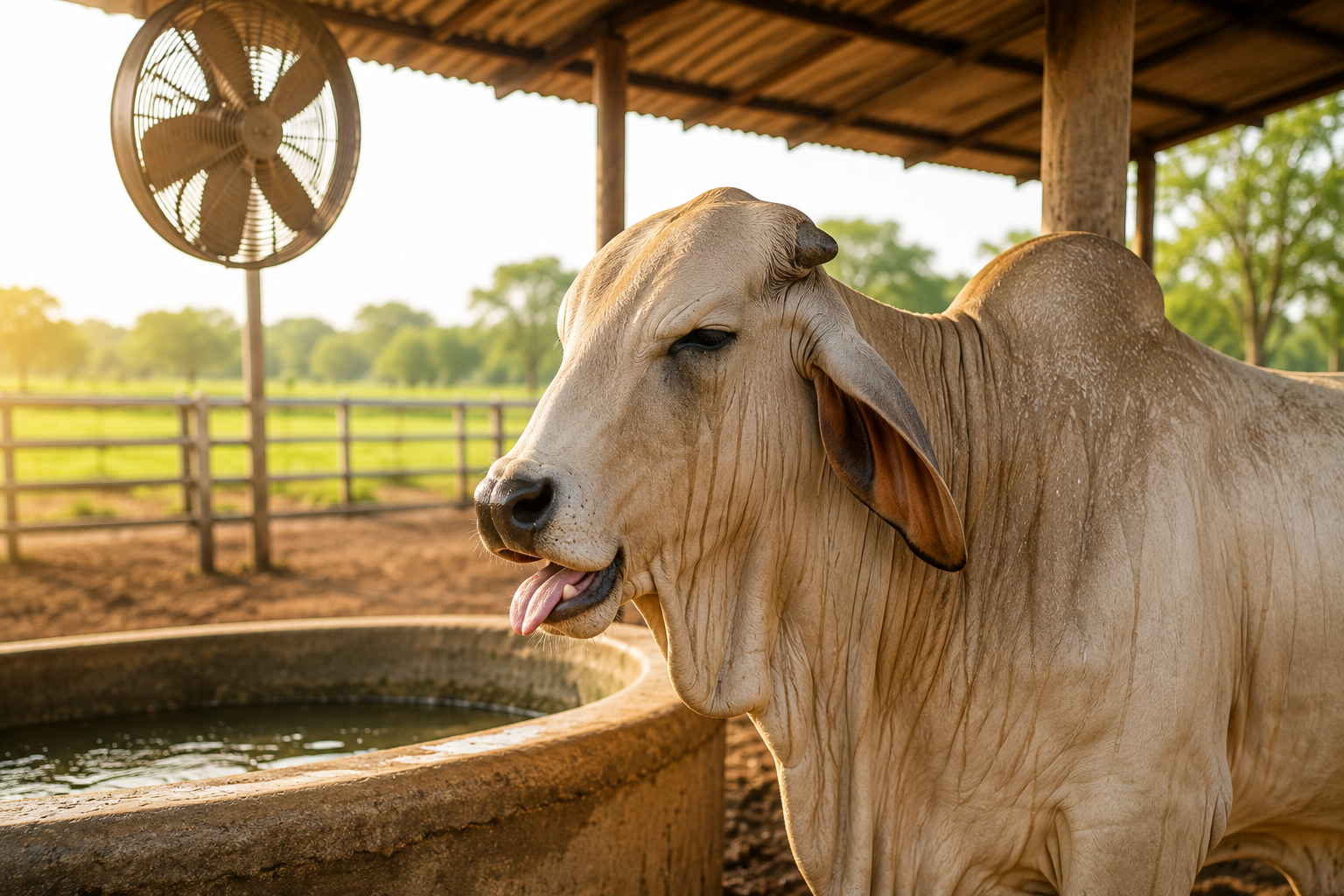
Heat stress is a silent challenge that affects ruminant health, productivity, and farm profitability. When temperatures rise beyond an animal's comfort level, feed intake drops, growth slows, milk production declines, and fertility is reduced. Prolonged heat stress also weakens the immune system, making animals more vulnerable to diseases and increasing treatment costs. Keeping animals cool protects performance.
Farmers can reduce heat stress by providing constant access to clean water, adequate shade, proper ventilation, and balanced nutrition. Avoiding overcrowding and handling animals during the hottest hours of the day also helps reduce stress. Small management changes can significantly improve animal comfort and productivity. Comfortable animals produce better results.
Managing heat stress is not just about animal welfare; it is a smart business decision. Healthy, comfortable animals eat better, grow faster, and deliver higher returns. Investing in heat stress prevention reduces losses and supports sustainable livestock production throughout the year. Protect animals from heat to protect your profits.